

Before Lake-Effect Winter Hits: The Asphalt Sealcoating & Crack-Sealing Checklist Michigan City Homeowners Actually Use
- Oliver Owens
- Sep 26, 2025
- 7 min read

If you’ve lived through a Michigan City winter, you already know what the lake can do to a driveway. One week it’s sunny and dry; the next we’re bouncing between thaw and freeze like a yo-yo. That swing is exactly what turns tiny hairline cracks into wide-open gaps, and perfectly good asphalt into a patchwork of new potholes by spring.
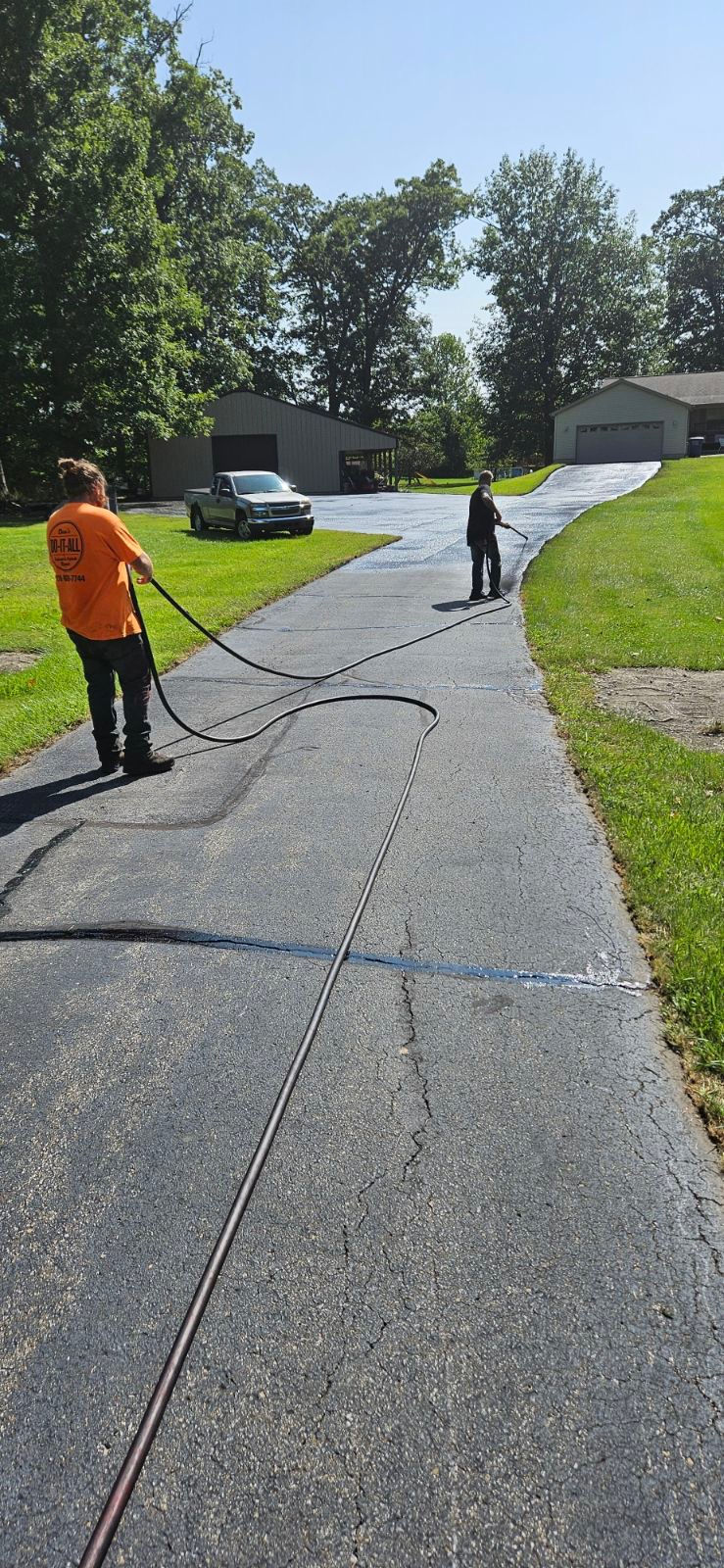
I learned this the hard way helping my neighbor on the east side—beautiful, brand-new driveway, but no fall maintenance. By March, the edges looked like a crumbled cookie. We could literally lift pieces by hand. The difference between that and the homes that held up? A simple fall routine: seal the surface, seal the cracks, and get ahead of drainage before the real cold sets in.
Below is a no-fluff, Michigan City–specific checklist you can actually use this month. It’s written for homeowners, but if you manage a small rental or a private lane, it applies there too. No pricing, no scare tactics—just the stuff that works.
Why fall is decision time for your asphalt
Freeze–thaw is relentless
Water sneaks into cracks. Night temps drop. Water expands as it freezes and pries those cracks wider. Repeat that cycle dozens of times between November and March and you’ve got edge raveling, potholes, and spider cracks that spread like a web.
Sealcoating buys you time
A professional-grade sealcoat forms a protective film that resists water, salt, UV, and gas drips from parked cars. It won’t fix structural issues (we’ll be honest about that below), but it slows aging and keeps fine cracks from becoming big problems.
Crack sealing is the unsung hero
If sealcoating is the raincoat, crack sealing is the zipper. It keeps water from getting beneath the surface and into the base—where the real damage happens. Done before winter, it’s the single best way to avoid potholes in spring.
Want to dive deeper? Two solid primers: FHWA’s pavement preservation overview and Purdue Extension on freeze–thaw basics—good, free reading without the sales pitch.
The Michigan City Fall Pavement Checklist (step-by-step)
Treat this like a weekend game plan. You can do the walk-through yourself and then decide what to DIY and what to hand off.
1) Do a 10-minute “lot walk”
Edges first. Most failures start at the edges, especially near turf where roots and water work the seam.
Look for:
Hairline cracks (⅛" or less)
Working cracks (¼" to ½") that move with seasons
Alligator cracking (dense, scaly patterns—usually a base issue)
Depressions where water sits after a rain (“birdbaths”)
Oil spots or gas drips under parked cars
Crumbling at the apron (where driveway meets the street)
Rule of thumb: Hairline and working cracks = sealable. Alligator cracking or sunken spots = time to discuss localized patching, not just a sealcoat.
2) Check drainage on a wet day
After the next rain, step outside for 5 minutes.
Mark any puddles that last more than a few hours with chalk or landscape flags.
Check downspouts—if they dump toward the driveway, you’re feeding the problem. Extend or redirect them now.
If water sits, it soaks the base. That accelerates freeze–thaw damage. Sometimes the fix is as simple as adding a small asphalt “wedge” to re-establish positive slope or moving a downspout extension.
3) Degrease and clean
Oil and gas soften asphalt binders. If you seal over them, the coating won’t bond.
Use a proper degreaser on spots, scrub, and rinse.
Sweep sand and leaves off the surface—don’t trap debris under sealer.
4) Triage cracks the right way
Hairline (<⅛"): Often addressed by the sealcoat itself, but we still like a light squeegee of crack fill on the worst offenders.
Working cracks (¼"–½"): Use a flexible hot-pour or high-grade cold-pour crack sealant designed for movement. Overfill slightly, then squeegee flush.
Wide or raveled (>½"): That’s edging toward patch territory. Sealer won’t bridge it well and will telegraph through.
Pro tip from the field: Don’t chase every micro-line with a gallon of filler. Focus on through-cracks that connect to edges or collect water.
5) Decide: sealcoat, patch—or both
Sealcoat only if the surface is mostly sound with scattered hairlines and light oxidation (faded gray).
Crack-seal + sealcoat if you have several working cracks but a solid base.
Patch + crack-seal + sealcoat if you’ve got localized depressions, edge breakup, or small potholes. Patch first, then seal.
Resurfacing talk if you see widespread alligator cracking or you can feel flex underfoot.
If you’re unsure which bucket you fall into, we can take a look and give you an honest read. We’ll always tell you if a sealcoat won’t deliver value this season.
When to book the work in Michigan City (realistic weather windows)
Ideal temps: Days in the 50s–70s°F with nights staying above the low 40s help sealers cure.
Dry hours matter: You want several dry hours post-application. If the forecast threatens drizzle, it’s smarter to hold.
Leaf drop: Try to beat heavy leaf fall. Fresh leaves sticking to fresh sealer = textured driveway you didn’t ask for.
Our crews watch the forecast like hawks this time of year and plan days to catch those dry stretches that pop up between lake-effect systems.
DIY vs. professional: where the line really is
I love a good DIY project. But asphalt is one of those places where tools and materials make a big difference.
DIY makes sense when:
You’re touching up a few short hairline cracks
You’re cleaning and degreasing
You’re protecting a newer surface that just needs a light refresher coat (and you’re okay with a “good from the curb” finish vs. commercial-grade)
Call a pro when:
Cracks vary in width and run long through the driveway
There are depressions holding water (these need patching first)
You want a uniform, squeegee/brush + spray finish that lays down even film thickness
You’re working around tight edges, stone borders, or city aprons you don’t want stained
If you want it off your plate, we handle the full scope: crack sealing, patching, and sealcoating, plus honest advice if asphalt repair or new asphalt paving makes more sense in spots. (Links go to our service pages.)
The simple “Do-This-Now” calendar
This week
Walk the driveway and mark cracks, edges, and puddles
Degrease spots and sweep clean
Extend any downspouts dumping toward asphalt
Next week
Crack-seal the working cracks (or book us to do it)
Decide on patch areas and get them scheduled
Before first frost
Apply sealcoat on a dry, 50°+ day
Rope off for 24–48 hours, then enjoy that smooth, darker finish
Note a spring reminder for a quick inspection after thaw
Common mistakes (and how to avoid them)
Sealing over movement cracks without sealing the crack first
The sealer film is thin; it won’t keep water out of an open joint. Crack seal first, then sealcoat.
Skipping drainage fixes
If water keeps pooling, the problem will come back. A tiny re-grade or patch can save a season’s worth of headaches.
Applying too thick
Two thin coats beat one heavy coat. Heavy coats skin over and track, then wear unevenly.
Under-prepping oil spots
If you can still feel a slick patch, the sealer will fail there. Degrease twice if needed.
Choosing the wrong day
Cool, damp, or windy days extend cure time and invite debris. Wait for the better window—it always comes.
“Will sealcoating fix everything?” A frank minute on expectations
Sealcoating is maintenance, not magic. It won’t glue a failing base together or smooth out a sunken section. What it will do is slow oxidation, block water, and make small cracks less of a problem. Pair it with proper crack sealing and drainage, and you typically buy yourself years. Used alone on a driveway with structural issues? You’ll get a fresh color and a short honeymoon.
When we come out for an estimate, we’ll tell you which side of that line you’re on. If you need patches or a partial overlay in one area, we’ll say it plainly—and we’ll still protect the rest of the driveway with crack seal + sealcoat so you’re not throwing good money after bad.
What to expect if we handle it for you
Quick site check: We walk the edges, note drainage, and measure only what needs treatment.
Clear scope: If a spot needs patching, it’s on the plan—no surprises on the day.
Clean prep: Edges shielded, concrete borders protected, plants respected.
Crack sealing first: Flexible material squeegeed flush; we don’t glob and go.
Even coating: We combine brush/squeegee at seams and spray for even film build.
Respectful closeout: Cones and tape go up, we leave it tidy, and you get simple aftercare instructions.
If you’re curious how far you can go with concrete instead—say, for a new walkway or apron—our concrete services team can talk you through pros/cons for your specific property.
Aftercare: keep your driveway happy all winter
Heed the cure window. Give it the full recommended time before parking heavy vehicles.
Skip harsh chemicals. Use a calcium chloride ice melt instead of rock salt near the edges.
Plow smart. If you hire a plow, ask them to lift the blade a hair near your apron and edges.
Sweep in spring. As soon as the thaw’s done, sweep sand and check the same spots you marked in fall.
Mini FAQ (quick yes/no answers)
Do I have to seal every year?
No. Many homeowners follow a 2–3 year cycle, depending on sun and traffic. Crack sealing is “as needed.”
Can I seal in late fall?
Yes—if we catch the right temp and dry window. We’ll advise if it’s too tight and schedule early spring instead.
What if my driveway was just paved?
Let new asphalt cure before applying sealer (we’ll tell you the honest timeline after seeing it).
Do you work beyond Michigan City?
Yes—LaPorte County and nearby surrounding areas. Just ask; we’ll let you know if you’re in our regular route.
Ready to winterize your driveway?
If you want a quick, honest assessment and a fall slot on the calendar, we can help. We’ll handle the crack sealing, dial in drainage, and lay down a clean, even sealcoat so your driveway faces winter with some armor on.
Request a free quote: “Get Free Quote” on the site and we’ll reach out
Services you’ll likely want to link from this post: Sealcoating, Asphalt Repair, Asphalt Paving, Concrete


Comments