

How Freeze Thaw Cycles Damage Asphalt in Michigan City IN

If you have ever looked at your driveway in the spring and thought,
“It did not look like that before winter,”
you are not imagining things.
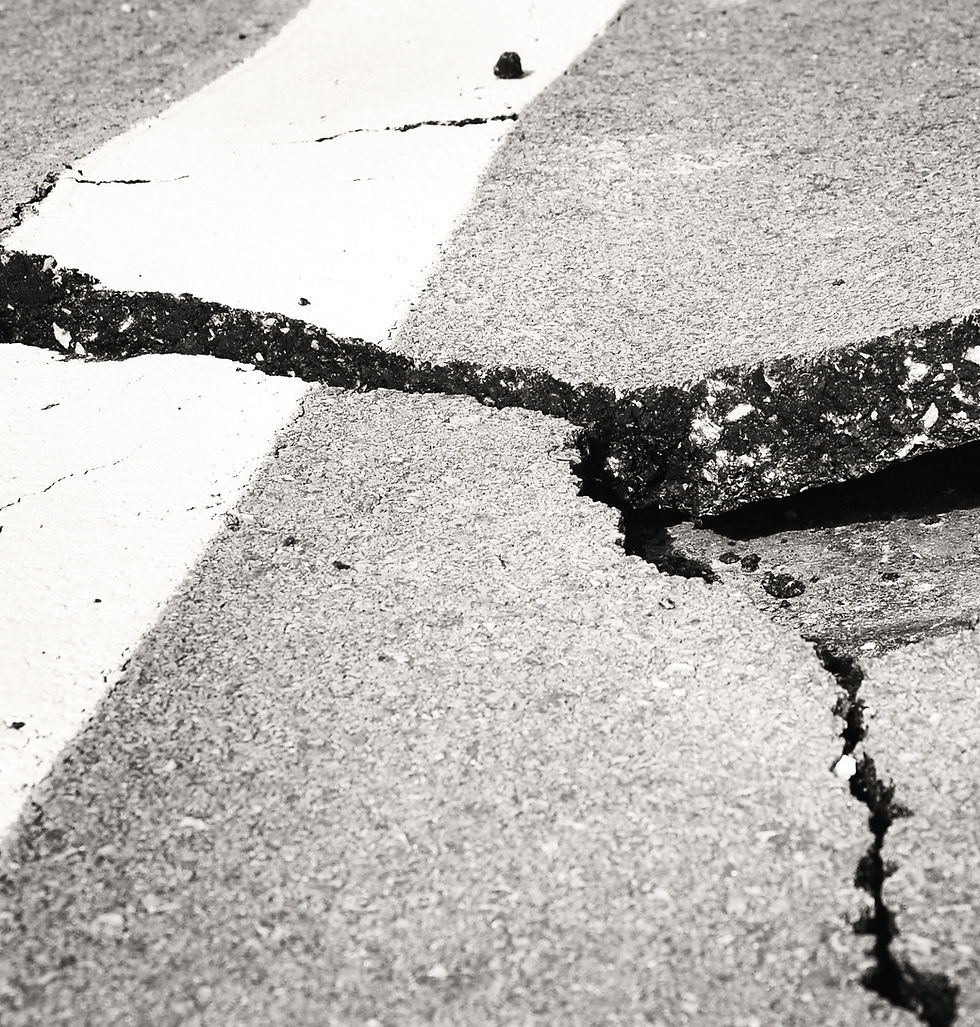
Winter is the hardest season on asphalt in Michigan City.
Not because of snow. Not even because of cold by itself.
It is the constant freezing and thawing that does the damage.
What Freeze Thaw Actually Means
This is one of those terms people hear all the time, but do not always think about what is actually happening.
Here is what is going on under your driveway.
Water gets into small cracks or weak spots in the asphalt. That can happen from rain, snow melt, or even just moisture in the ground.
When temperatures drop, that water freezes.
When water freezes, it expands.
That expansion pushes outward on the asphalt and the base underneath it.
Then the temperature rises. The ice melts. The pressure releases. But the structure is now slightly weaker than it was before.
Then it happens again.
And again.
And again.
Around Michigan City, that cycle can repeat for months.
Why This Is Worse in Northwest Indiana
In some parts of the country, it gets cold and stays cold.
Here, temperatures move back and forth.
You get freezing nights and slightly warmer days. Snow melts, then refreezes. Moisture keeps moving in and out of the surface.
That is what makes this region tough on pavement.
The National Weather Service data for Northern Indiana shows freezing conditions stretching from around mid October into late April most years.
That is a long time for your driveway to be under stress.
The First Signs of Freeze Thaw Damage
Most homeowners do not notice anything at first.
Then one spring, things start to look different.
Small cracks start showing up
The surface starts looking faded or rough
Edges begin to crumble
Low spots start holding water
At that stage, the damage is still manageable.
But if it is ignored, it does not stay small.
How Small Cracks Turn Into Big Problems
This is where things accelerate.
Once a crack forms, it becomes an entry point for more water.
That water freezes again. Expands again. Makes the crack wider.
Over time, you start seeing what is called alligator cracking. It looks like a pattern of interconnected cracks across the surface.
That is usually a sign that the base underneath is starting to fail.
At that point, simple maintenance may not be enough.
Why Potholes Show Up in Spring
If you have ever wondered why potholes seem to appear out of nowhere, this is why.
During winter, the damage is happening below the surface.
When spring hits and everything thaws, the weakened areas collapse under weight from vehicles.
That is when potholes show up.
Local news across the Michiana area talks about pothole season every year. It is the same process happening on a larger scale on roads.
Your driveway is just a smaller version of that same system.
The Role of the Base Underneath
This is the part most people do not see, but it is the most important.
Asphalt is only the top layer.
Underneath is a compacted stone base that supports everything.
If that base is strong and drains properly, your driveway has a much better chance of handling freeze thaw cycles.
If the base holds water or was not compacted correctly, that water expands during freezing and weakens the entire structure.
That is when you start seeing sinking areas, cracking, and repeated failure.
This is also why driveway installation quality matters so much. Our cost to pave a driveway in Michigan City guide goes into how base work affects long term durability.
How Sealcoating Helps
Sealcoating plays a role, but it is important to understand what it does and what it does not do.
Sealcoating helps protect the surface from moisture.
It slows down how quickly water can get into small cracks.
It also protects against oxidation and surface wear.
What it does not do is fix structural damage.
If cracks are already deep or the base is failing, sealcoating alone will not stop the problem.
That is why proper timing matters. Our guide on the best time to sealcoat in Michigan City explains when it actually makes sense to apply it.
What You Can Do to Prevent Damage
You cannot stop winter.
But you can slow down how much damage it causes.
Fix small cracks early before water gets in
Sealcoat every few years to protect the surface
Make sure water drains away from the driveway
Avoid letting water sit along edges or low spots
These simple steps can make a big difference over time.
When Repair Is Enough
If your driveway has minor cracks and still feels solid, repair and maintenance can extend its life.
Crack sealing and sealcoating are usually enough at this stage.
This is the point where action matters most.
Waiting too long allows the problem to spread deeper.
When It Is Time to Replace
If you are seeing widespread cracking, sinking sections, or potholes that come back every year, the base underneath is likely failing.
At that point, patching becomes temporary.
Replacing the driveway and rebuilding the base is often the better long term solution.
It costs more upfront, but it solves the root of the problem.
Questions We Hear From Homeowners
Why does my driveway look worse after winter
Because freeze thaw cycles expand existing weaknesses and create new ones.
Can I stop cracks from spreading
You can slow them down with proper maintenance, but once water is getting in, the process continues.
Is sealcoating enough
It helps protect the surface, but it does not fix deeper issues.
How long should a driveway last here
With proper installation and maintenance, 15 to 20 years is common in Michigan City.
Final Thoughts
Freeze thaw damage is not something you can avoid in Michigan City.
It is part of the environment.
What you can control is how well your driveway is built and how it is maintained over time.
If you stay ahead of small problems, you can extend the life of your asphalt significantly.
If you ignore them, winter will take advantage of it.
If you are not sure what stage your driveway is at, we are always happy to take a look and give you a straight answer based on what we see.
No pressure.
Just honest advice based on what actually holds up in this area.


Comments